Catie Newell
Tsz Yan Ng
Kathy Velikov
Mollie Claypool
Dana Cupkova
Achim Menges
Material Excerpts

Feed #2
[As members of the Architectural Computational Design + Construction Cluster (ACDCC) converge to look inward, to ‘bend in,’ to reassess our priorities and formulate our collective identity and impact, Gradient: Feed #2 captures these discursive moments of exchange. Gradient will be our way to lean outward, to spark conversations and debate, and highlight our priorities.]
Inflections is a series of contributions on topics pertaining to the role that technology plays in relation to how we conceive, build, experience, and teach architecture. Computational design, digital fabrication, AR/VR/XR, and AI have all matured enough to inscribe their own disciplinary modalities within the design fields. The related technologies in these domains of production have had a profound impact on the discipline of architecture and our built environment. The influence of these technologies and their associated systemic practices in diverse facets of everyday life is palpable, ranging from innovations and discoveries that benefit society in health and social networks to how we work and spend our leisure time. This Gradient feed, with contributions and curations by members of the Architectural Computational Design and Construction Cluster (ACDCC) at Taubman College, reassesses the principles and modalities by which we employ technologies for design to characterize our ethos, habits, and ambitions. The ‘angle’ of each feed—bias, oblique, and parallel—will offer up opportunities to express inflections in our current thinking and production. These inflections, underscore our preoccupations, range, mood, attitudes, and pitch.
Inflection
1
—Grammar: a change in the form of a word (typically the ending) to express a grammatical function or attribute such as tense, mood, person, number, case, and gender.
—the process or practice of inflecting words.
2
—the modulation of intonation or pitch in the voice: she spoke slowly and without inflection | the variety of his vocal inflections.
—the variation of the pitch of a musical note.
3
—chiefly Mathematics a change of curvature from convex to concave at a particular point on a curve.
Origin: late Middle English (in the sense ‘the action of bending inwards’): from Latin inflexio(n), from the verb inflectere ‘bend in, curve’ (see inflect)
from the New Oxford American Dictionary
Mollie Claypool
McLain Clutter
Dana Cupkova
Matias del Campo
Shelby Doyle
Andrew Kudless
Achim Menges
Catie Newell
Tsz Yan Ng
Vyta Pivo
Jose Sanchez
Rebecca Smith
Kathy Velikov
Peter von Bülow
Inflections Editors
Tsz Yan Ng
Jono Bentley Sturt
Catie Newell
Tsz Yan Ng
Kathy Velikov
Mollie Claypool
Dana Cupkova
Achim Menges
Kathy Velikov
Shelby Doyle
Matias del Campo
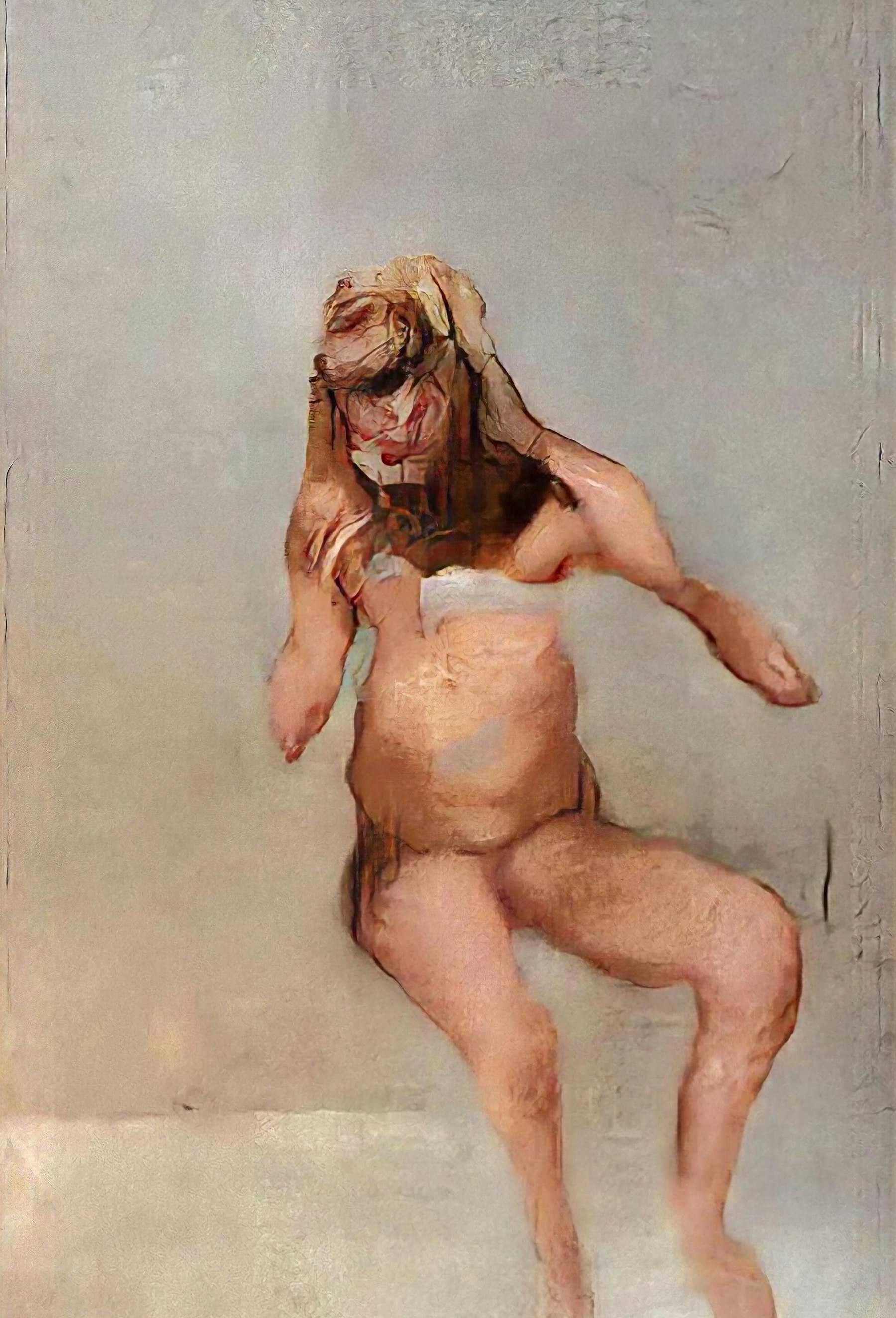
Jose Sanchez
Catie Newell
Vyta Pivo
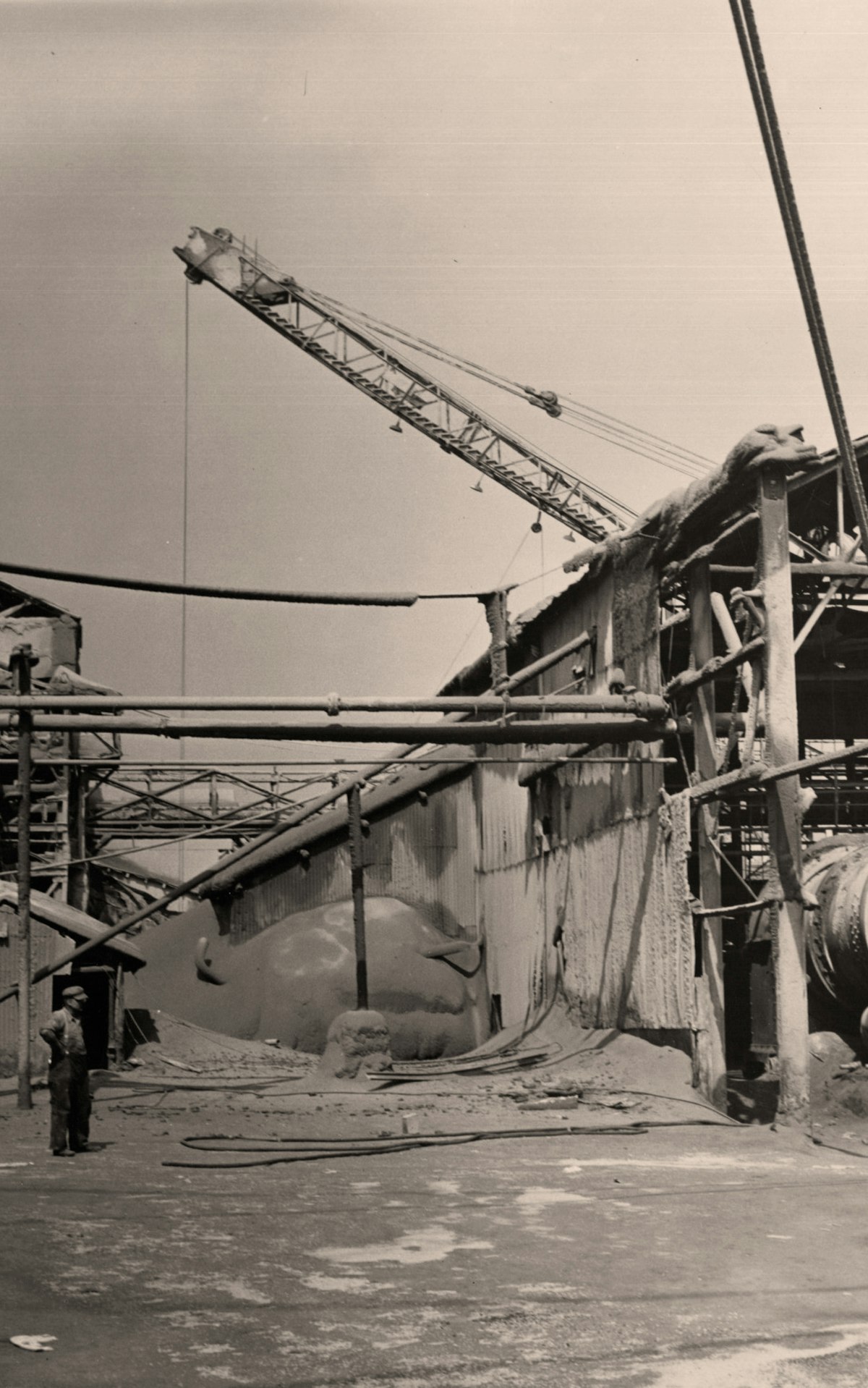
McLain Clutter
Tsz Yan Ng
Rebecca Smith